


In today’s evolving business landscape, organizations are increasingly aware that managing their people strategically is central to sustained success. The comprehensive approach of Human Capital Management (HCM) helps businesses grow by harnessing workforce potential, improving productivity, and staying competitive. Those new to the concept can explore HCM explained for further context.
As companies respond to economic shifts and technological advancements, effective HCM ensures that talent aligns with business needs, fueling innovation and resilience. A well-managed workforce can adapt quickly to market changes and seize emerging opportunities, ultimately driving superior business outcomes. Forward-thinking organizations view HCM not just as an HR activity but as a crucial driver for agility, transformative growth, and long-term success. This mindset allows firms to proactively shape their future rather than react to inevitable market changes. The following article explores key aspects of Human Capital Management, including cultural practices, strategic talent planning, continuous development, and the role of technology in maximizing people-driven impact.
Aligning Workforce with Business Objectives
Ensuring that employees align with an organization’s strategic goals maximizes both individual contributions and overall business value. A focused approach to HCM starts with clear communication about corporate objectives, so that each team member understands how their efforts drive broader business priorities, engagement, and accountability increase. Organizations should regularly review roles, responsibilities, and required skills in the context of evolving market demands. This enables companies to allocate talent more effectively while identifying gaps that training or recruitment can address. Such alignment reduces wasted resources and helps businesses remain agile as conditions change.
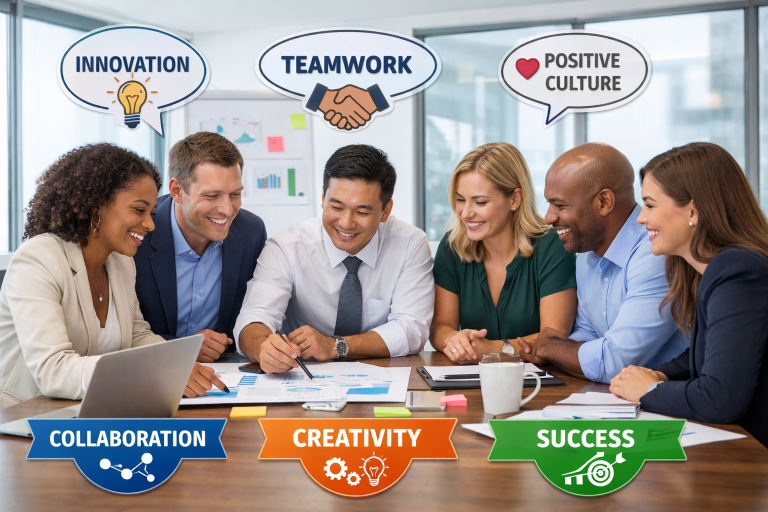
Technological innovations are reshaping how organizations manage their workforces. Modern HCM solutions often include cloud-based platforms, artificial intelligence (AI), and machine learning capabilities. By automating repetitive administrative tasks and using data analytics, leaders can make informed decisions faster. For instance, predictive analytics can forecast future staffing needs, identify potential flight risks among high performers, or highlight areas for targeted training. Automation also improves efficiency in payroll, benefits administration, and performance evaluations. A successful digital transformation in HCM empowers HR teams to shift their focus from tactical processes to strategic advisory roles. An organization’s culture directly impacts employee satisfaction, productivity, and retention. Establishing a positive environment relies on clear values, recognition systems, and supportive leadership. When employees feel valued and included, they are more motivated and loyal to the company. Initiatives such as regular feedback cycles, inclusive policies, and wellness programs foster a sense of belonging and community at work. Companies that prioritize culture not only retain top talent but also attract job seekers who are seeking a collaborative and fulfilling workplace. According to Gallup, organizations with highly engaged workforces outperform their peers in profitability and customer ratings, underscoring the importance of culture.
Strategic Talent Management
Attracting, developing, and retaining the right talent fuels business growth. A robust talent management strategy is more than hiring skilled employees; it involves fostering continuous learning, setting clear career pathways, and maintaining a talent pipeline ready for future roles.
- Well-structured recruitment processes ensure candidates fit the company’s mission and long-term vision.
- Investment in training and upskilling enables employees to adapt to changing job requirements and industry trends.
- Transparent promotion processes and internal mobility programs demonstrate the organization’s commitment to employee growth.
Effective talent management also relies on strategic workforce planning, anticipating future needs, and proactively developing leadership capabilities. By building a diverse talent pool and aligning talent initiatives with broader organizational objectives, businesses can enjoy sustained growth and avoid disruptions from skill shortages or unexpected departures. Encouraging collaboration between teams, offering mentorship opportunities, and recognizing achievements all contribute to employee loyalty and drive long-term performance. Regularly reassessing talent strategies ensures they continue to support and advance overall business imperatives.
Performance Management and Employee Development
Individual and team performance are central to achieving business goals. Regular performance reviews, combined with constructive feedback, highlight strengths and address growth opportunities. Linking recognition to performance milestones reinforces desired behaviors and reinforces a high-performance culture. Access to professional development, whether through formal training, mentorship, or on-the-job learning, helps employees realize their full potential. These efforts not only benefit workers but also elevate overall organizational competency, enabling the business to remain competitive in a fast-moving market. The Society for Human Resource Management (SHRM) offers valuable resources on effective performance management.
Measuring HCM Effectiveness
To confirm that HCM strategies are working as intended, organizations should monitor success using clearly defined key performance indicators (KPIs). Common metrics include employee engagement levels, retention rates, time-to-fill positions, and productivity measures.
By regularly reviewing these KPIs, leaders can spot trends, address problem areas, and refine their HCM approaches. Data-driven measurement ensures that initiatives remain relevant and impactful as business and workforce needs evolve.
Future Trends in HCM
Human Capital Management continues to transform in response to technological advances and shifting workforce priorities. Several emerging trends include:
- Greater use of AI and automation for recruitment, training, and workforce planning
- Expanded diversity, equity, and inclusion initiatives to build stronger teams
- Focus on mental health and well-being, with supportive benefits and flexible work arrangements
Adapting HR strategies to these developments ensures resilience amid uncertainty and positions organizations for enduring success.
By embracing modern Human Capital Management frameworks, businesses can unleash the full potential of their people, drive innovation, and achieve measurable growth in a changing world. As workforce expectations evolve, organizations that prioritize adaptability, learning, and a positive employee experience will ultimately stand out in their industries. With the right HCM strategies in place, any company can be better equipped to handle tomorrow’s challenges, seize new opportunities, and consistently deliver exceptional business results over time.